MyHotips began with a slightly embarrassing realisation: a lot of us were building an income from home while running on toast crumbs, cold coffee and about five hours of sleep. The smartwatch was buzzing because we had not moved since lunch, and we were still saying “just one more paragraph”. The Money Growth side of the site helps you build the work. This side is about the fuel.
Sleep, Food & Movement covers the basics that decide how your workday feels: sleep, what and when you eat, drinking enough, moving and stretching, and the trackers that nudge you to do it. No 5am routines and no green powder required. Just the small, normal-person habits that stop you feeling like a melted candle by Friday.
Quick Overview
In this guide:
Each section links to a fuller article if you want to go deeper.
Start Here
New here? These are the articles we would read first: the free habits, then the gadgets.
Why Your Energy Dips When You Work From Home
Hours in the Same Chair
No commute, no walk to the meeting room, no lunch run. Working from home quietly removes most of the moving you used to do without noticing.
The NHS advises breaking up long periods of sitting. Even standing up between calls makes the day feel less heavy.
Full guide: Desk worker fatigue and how to fix it

The Caffeine Rollercoaster
Coffee is lovely. Coffee as a substitute for breakfast, lunch and sleep is less lovely.
Lots of us lean on caffeine to get through the dip, then wonder why we are wired at 10pm and flat by 3pm the next day.
Related guide: Coffee habits, energy crashes and better workday routines

Short or Broken Sleep
When the laptop lives in the same house as the bed, work has a habit of creeping into the evening.
The NHS says most adults need 7 to 9 hours of sleep a night. A regular bedtime, a darker, cooler room and a screen cut-off all help.
Related guide: Sleep reset: light, temperature and evening habits
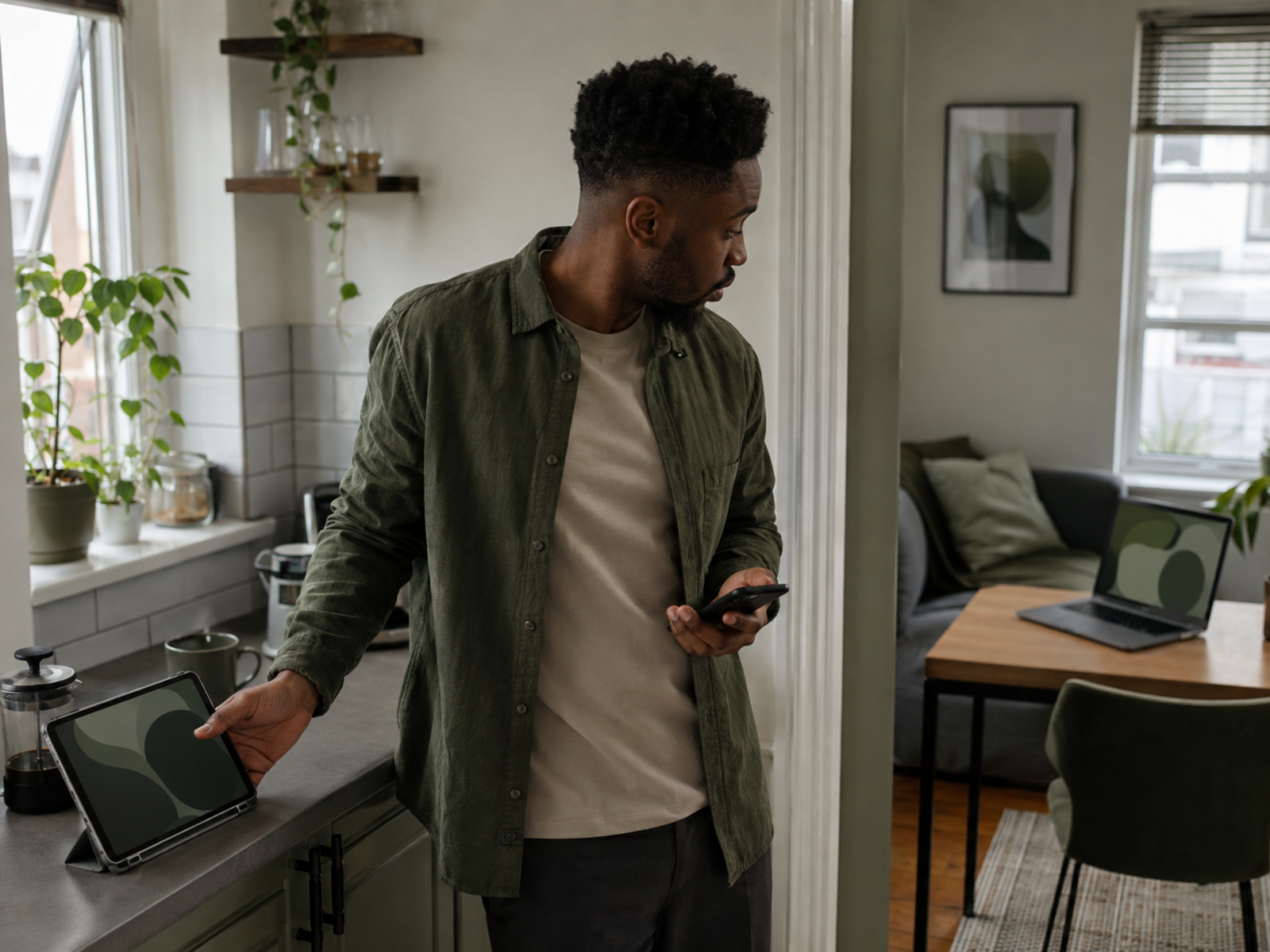
Skipped or Grazing Meals
At home, lunch can turn into a handful of whatever is nearest the kettle, eaten over the keyboard.
A proper meal at a regular time is one of the easiest ways to avoid the mid-afternoon slump.
Meal ideas: Healthy lunch ideas for busy work-from-home days
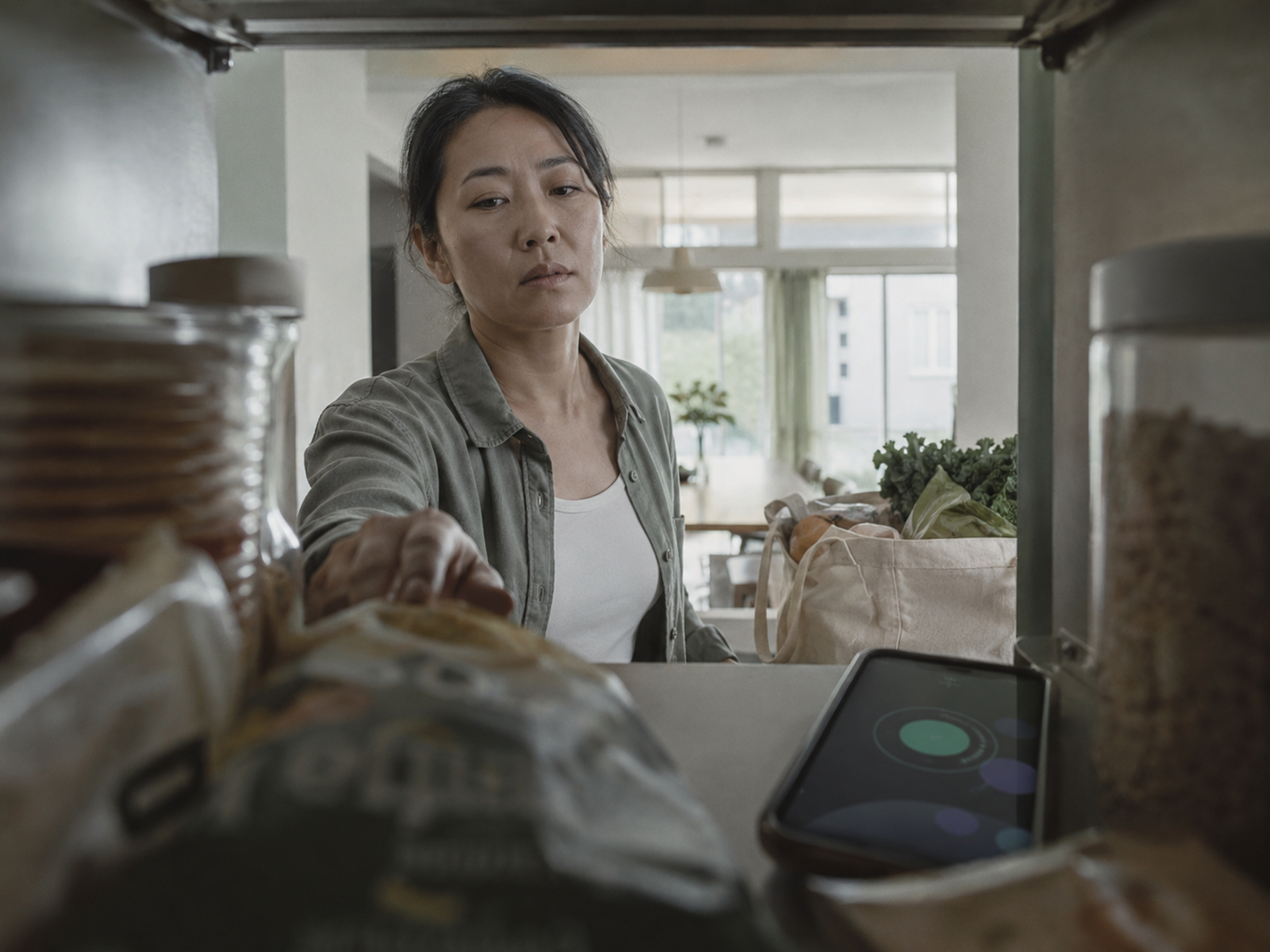
Four Habits That Keep Your Energy Steadier
Move Little and Often
You do not need a gym membership to feel the difference. Short walks, a stretch between calls or a lap of the garden all count.
The NHS recommends at least 150 minutes of moderate activity a week for adults, such as brisk walking, and it all adds up.
Movement ideas: How to build movement into a packed work-from-home day

Eat Like You Mean It
Regular meals with some protein, fibre and vegetables tend to keep you going longer than snacks grabbed on the way past the fridge.
Batch-cooking a couple of lunches at the weekend takes the decision out of a busy day.

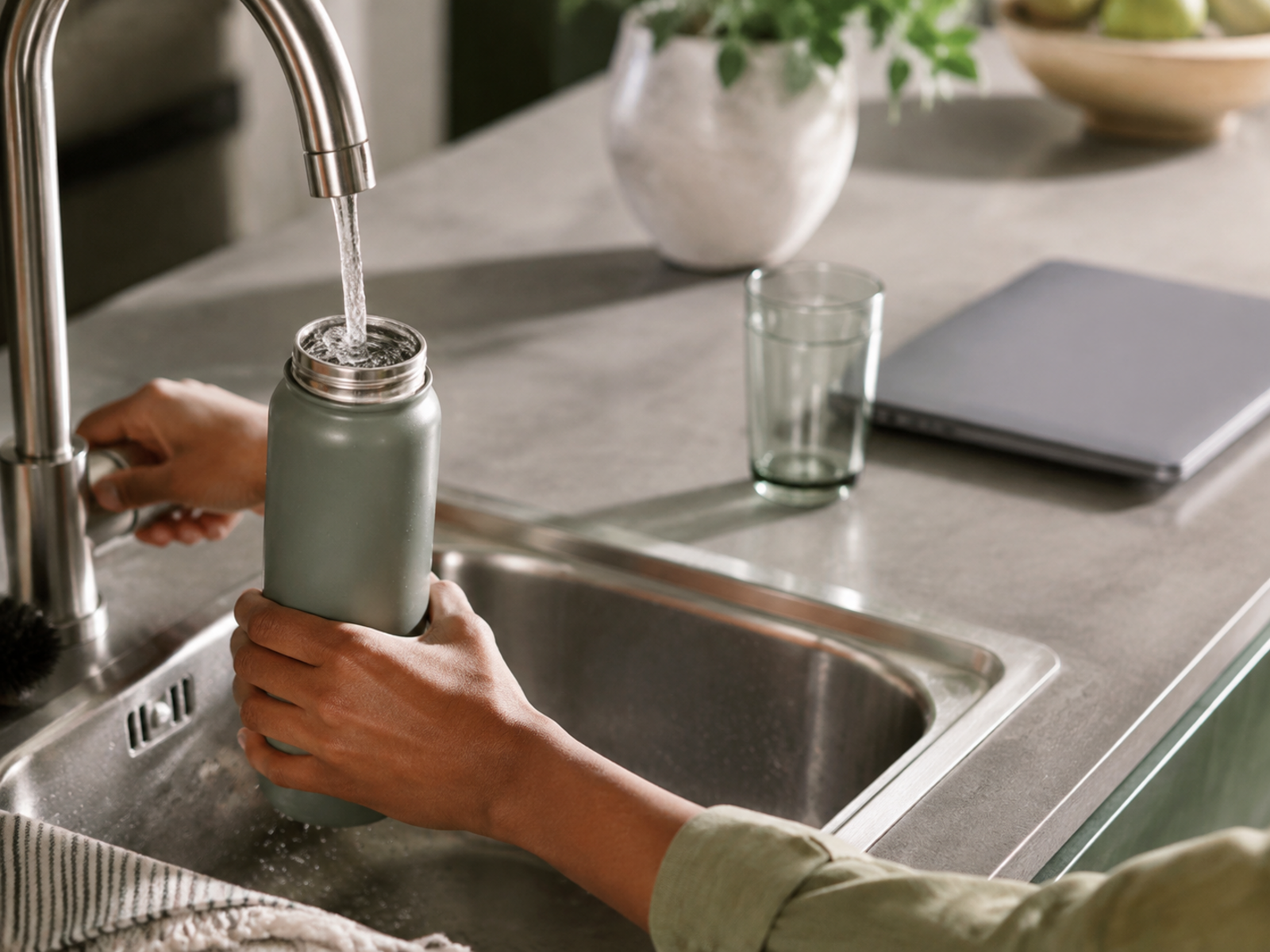
Keep a Drink Nearby
It is very easy to get to 4pm having had one cup of tea and a sip of something cold.
The NHS Eatwell Guide suggests 6 to 8 cups or glasses of fluid a day. Water, lower-fat milk and sugar-free drinks, including tea and coffee, all count.
Product guide: Hydration reminders and water bottles for busy workdays
Protect Your Sleep
Energy tomorrow starts tonight. A wind-down that does not involve one last look at the inbox makes a real difference.
Keep a similar bedtime on workdays and weekends, and give your eyes a break from screens before bed.
Related guide: Create an evening wind-down routine you will actually keep

Tools That Can Help (and When You Do Not Need Them)
Fitness Trackers
A tracker can nudge you to move and show how you are sleeping. It cannot do the moving for you, sadly.
Product guide: Top 10 best wearables for wellness tracking
Sleep and Habit Apps
Apps that log sleep, water or habits can help you spot patterns. Use the free version first and see if you actually open it.
App guide: Best sleep tracking apps review
Kit That Makes Moving Easier
A walking pad or resistance bands can make movement part of the workday rather than another job on the list.
Product guide: Best resistance bands for desk workers
Food and Lunch Helpers
A soup maker, a decent lunch box or a simple weekly plan can save you from the 2pm biscuit tin.
Related guide: Soup maker vs saucepan: which suits a home-working lunch?
Final Thoughts
MyHotips exists because building an income from home should not mean borrowing energy from your body and never paying it back.
Sleep, food and movement are not glamorous, but they are the system everything else runs on. A proper stretch, a decent meal, a glass of water and a short walk are not laziness. They are maintenance.
Start with one habit this week, the one that feels easiest, and let the rest follow.
If tiredness carries on even when you are sleeping and eating well, the NHS suggests speaking to a GP.
FAQ
What does Sleep, Food & Movement cover?
The everyday basics that affect your energy: sleep, food, drinks, movement, stretching and fitness trackers. Your chair and desk are covered in Home Office Comfort, and notifications and email in Screen & Inbox Stress.
Why do I feel so tired working from home?
Often it is a mix of sitting for long stretches, irregular meals, not drinking much and sleep that gets squeezed by work. Small changes to each usually help more than one big change.
How much should I drink during the workday?
The NHS Eatwell Guide suggests 6 to 8 cups or glasses of fluid a day, and tea and coffee count. Keeping a bottle on your desk makes it easier.
Do I need a fitness tracker?
No. A tracker can be a useful nudge, but a phone reminder to stand up and a short daily walk do much of the same job for free.






